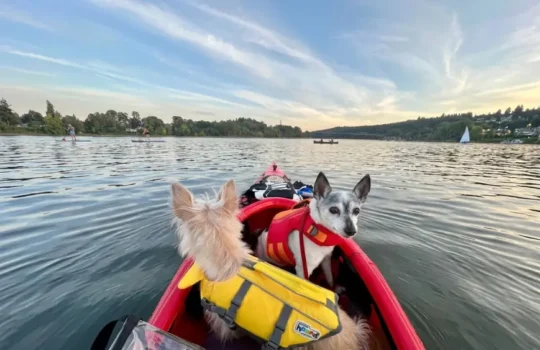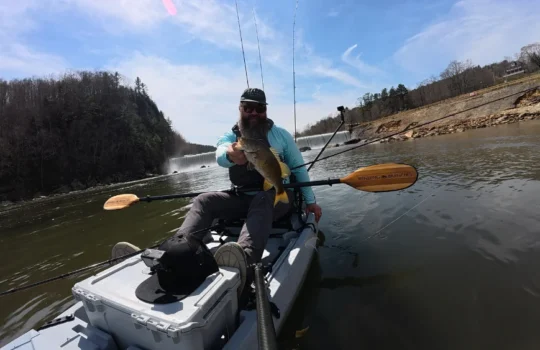
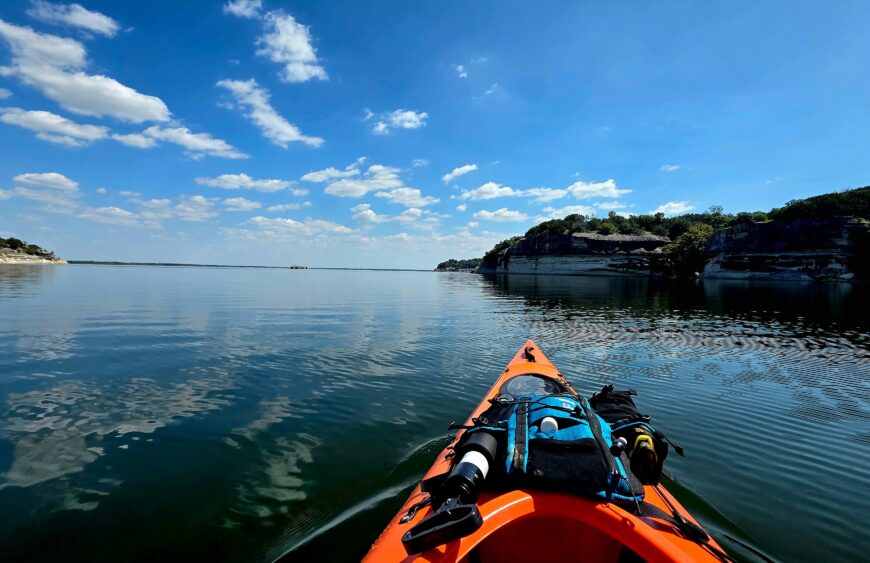
Stepping into the world of kayaking quickly reveals that buying a boat is only the starting point. The right kayak accessories can make a kayak safer, more comfortable, and better suited to the type of paddling you plan to do.
However, gear requirements are not one-size-fits-all. What you need on the water varies significantly depending on several practical factors:
- Type of Paddling: Flatwater touring, open-water coastal paddling, slow-moving rivers, and kayak fishing place vastly different demands on your equipment.
- Trip Length: A two-hour morning paddle demands minimal gear, whereas full-day tours or multi-day trips require comprehensive safety, navigation, and repair contingencies.
- Environmental Conditions: Water temperature, air temperature, wind exposure, tidal currents, and boat traffic dictate your safety margins and clothing choices.
- Kayak Model & Design: Sit-inside touring kayaks require different outfitting (such as spray skirts and cockpit coaming pads) than sit-on-top recreational or fishing kayaks. Packable and sectional kayaks also benefit from compact, breakdown accessories.
- Specialized Activities: Anglers require secure rod mounts and gear tracks, while kayak campers need specialized dry storage and load-bearing transport gear.
To help you distinguish between what you truly need before launching and what simply adds convenience along the way, kayak gear breaks down into three practical categories:
- Essential Gear: Critical safety, propulsion, and core equipment commonly needed on most outings.
- Useful Accessories: Transportation aids, ergonomic upgrades, and storage solutions that improve efficiency, comfort, and boat handling.
- Specialized Accessories: Activity-specific attachments designed for fishing, kayak camping, touring, or performance customization.
What Kayak Accessories Do You Actually Need?
Walking down the paddle sports aisle or browsing an online outfitter can be overwhelming. Manufacturers produce hundreds of attachments, mounts, bags, and gadgets. Before spending money, it helps to categorize your kit by genuine necessity.
Essential for Most Trips
These are core items for most paddling trips, while specific legal requirements vary by location and waterway:
- Personal Flotation Device (PFD): An appropriate, U.S. Coast Guard-approved wearable life jacket designed for paddling.
- Kayak Paddle: Sized to your torso, boat width, and paddling style.
- Communication and Signaling Devices: An audible pealess whistle, a waterproof communication device (phone or VHF), and visual signals where required.
- Appropriate Clothing: Dressed for the water temperature rather than just the air temperature, prioritizing quick-drying synthetic or neoprene fabrics.
- Water and Basic Supplies: Adequate drinking water for the outing, energy snacks, and sun protection (sunscreen, polarized sunglasses, and a brimmed hat).
Useful for Regular Paddling
Once your core essentials are in place, these accessories solve common friction points around transport, stamina, and boat care:
- Carrying Equipment & Harnesses: Shoulder slings and harnesses that assist with portaging and launch access.
- Kayak Wheels & Carts: Wheeled transport systems for rolling your boat from car to water without back strain.
- Dry Storage Solutions: Waterproof dry bags, phone pouches, and hatch organizers to safeguard sensitive gear.
- Cockpit Comfort Accessories: Padded seat cushions, lumbar back supports, and knee/thigh pads to relieve contact points.
- Cleaning & Repair Supplies: Dedicated drying cloths and field repair kits to protect your equipment.
Specialized Accessories
These additions turn a standard kayak into a dedicated platform for specific disciplines:
- Fishing Mounts & Rod Holders: Track-mounted rod holders, articulating arms for electronics, and tackle mounts.
- Rudders & Skeg Systems: Tracking aids designed to counteract wind drift and cross-currents.
- Pedal-Drive Systems: Hands-free propulsion units for angling and hands-free cruising.
- Overnight Camping Gear: Compact backcountry camp stoves, water filtration, and dry storage sized to fit inside hull bulkheads.
Reviewing a kayak buying guide can help clarify how hull designs, cockpit configurations, and portage capabilities influence the accessories you will need.
Essential Kayak Safety Equipment
Safety gear should never be treated as an afterthought. On the water, weather can change quickly, wind can pick up unexpectedly, and accidental capsizes can happen to novices and experienced paddlers alike.
Personal Flotation Device (PFD)
A properly fitted PFD is one of the most important pieces of kayak safety equipment. In the U.S., federal and state boating rules generally require an appropriate, U.S. Coast Guard-approved wearable PFD to be carried for each person aboard, with specific requirements varying by location and vessel. Wearing a properly fitted PFD while paddling provides immediate flotation if you capsize or enter the water.
When choosing a paddling PFD, consider:
- Arm Mobility: Look for large armholes that prevent chafing across repetitive forward paddle strokes.
- Seat Back Clearance: Touring and recreational kayaks often have high seat backs. A vest with a high-foam back or mesh lower section prevents the jacket from riding up behind your neck.
- Proper Sizing and Snug Fit: Loosen all straps, put the vest on, zip it, and tighten the straps starting from your waist and working up to the shoulders. To test the fit, have someone pull gently upward on the shoulder straps; if the vest slides up past your chin, it is too loose or improperly sized.
Communication and Signaling
If you are separated from your boat or unable to paddle against an offshore wind, you must be able to attract attention and call for assistance.
- Audible Signaling Device (Pealess Whistle): Many boating regulations require a sound-producing device, such as a whistle, with specific requirements varying by jurisdiction. Choose a marine-grade, pealess whistle designed to remain audible in wet conditions and tether it directly to your PFD.
- Mobile Phone in a Waterproof Pouch: A smartphone is an effective communication tool on inland lakes and coastal areas with reliable cellular service. Keep it in a properly closed waterproof or floating pouch secured to your body to reduce the risk of losing it if dropped.
- Handheld VHF Radio: For coastal paddling, tidal estuaries, and large open lakes where cell service is unreliable, a floating handheld VHF radio allows you to monitor weather broadcasts and communicate on designated marine channels, including Channel 16 for distress and calling.
- Emergency Satellite Communicators: For remote wilderness tours or long coastal crossings, a satellite messenger or Personal Locator Beacon (PLB) provides two-way messaging and emergency SOS signaling beyond the reach of cellular networks.
Basic Emergency Equipment
- First-Aid Supplies: Keep a compact, waterproof first-aid kit in your cockpit or day hatch. Include supplies for blister care, antiseptic wipes, bandages, gauze, tweezers, and personal medications.
- Hydration and Nutrition: Paddling is sustained physical activity under open sun and wind. Carry enough water for the expected duration, weather, exertion, and availability of refill points, plus some reserve for delays. Pack energy-dense, non-perishable snacks such as trail mix or energy bars.
- Navigation Equipment: On small, familiar waters, line-of-sight navigation may be sufficient. For larger lakes, coastal bays, and tidal routes, carry a waterproof map or chart, a deck-mounted or handheld magnetic compass, and a GPS unit or navigation app with downloaded offline maps.
Kayak Paddles and Paddle Accessories
Your paddle is your engine. While hull design determines glide and capacity, your paddle directly influences how much physical effort you expend with every mile. Pairing a capable boat with an awkwardly sized paddle quickly leads to fatigue.
Choosing a Kayak Paddle
When choosing a paddle, consider five core variables:
- Paddle Length: Paddle length depends on your height, torso length, kayak width, seat position, and paddling style. Wider kayaks generally require longer paddles, while narrower touring kayaks often work well with shorter lengths. As a general starting point, wider recreational boats often use paddles between 230 and 250 cm, while narrower touring hulls typically use lengths from 210 to 225 cm.
- Blade Shape (High-Angle vs. Low-Angle):
- Low-Angle Blades: Longer and narrower, designed for a relaxed, horizontal paddling style. Suited for touring, flatwater cruising, and conserving energy over distance.
- High-Angle Blades: Shorter and wider, designed for a more vertical stroke. Delivers quick acceleration, greater power, and responsive boat control in wind, current, or rough water.
- Paddle Weight and Materials: Aluminum shafts with nylon blades are durable and economical, but heavier. Fiberglass offers a noticeable reduction in weight with comfortable flex. Carbon-fiber shafts provide a lighter swing weight and stiffer power transfer, which helps reduce fatigue over long paddling days.
- Adjustability: Many quality paddles feature adjustable ferrules that allow changes to paddle length and feathering angle, giving paddlers more flexibility to match their stroke and conditions.
- 4-Piece vs. Other Configurations: Traditional one-piece and two-piece paddles work well for standard vehicle transport. However, 4-piece breakdown paddles are particularly valuable for owners of packable, modular, and sectional kayaks, as well as paddlers who travel by air or drive compact vehicles. A 4-piece paddle breaks down into compact segments that stow neatly inside kayak transport bags or car trunks.
Pakayak Paddle Options
For paddlers looking for breakdown designs that match the portability of sectional kayaks, Pakayak offers two distinct 4-piece paddles:
- Sting Ray Posi-Lok 4pc paddle: A four-piece breakdown paddle suited to paddlers who want a compact paddle for transport and storage. It breaks down into four sections designed to fit inside packable kayak transport bags and features adjustable feathering settings.
- Manta Ray Carbon 4pc adjustable-length paddle: A four-piece breakdown paddle designed for paddlers seeking adjustable length and compact packability, with a blade shape suited to high-angle paddling and greater stroke power.
Other Paddle Accessories
- Paddle Storage: Integrated deck bungees or side-mounted clips give you a secure place to park your paddle when taking photos, drinking water, or handling gear.
- Paddle Leashes: A paddle leash tethers your paddle to your wrist or boat on calm, open water where wind could blow a dropped paddle out of reach. However, paddle leashes should be avoided in fast-moving rivers, whitewater, and heavy surf, where the cord presents an entanglement hazard.
- Spare Paddle Considerations: For longer coastal tours or remote expeditions, a spare breakdown paddle can provide useful redundancy if the primary paddle is lost or damaged.
Kayak Carrying and Transportation Accessories
One of the most common obstacles to paddling regularly is moving the boat between your vehicle and the water. A heavy or awkwardly balanced kayak can be difficult to manage solo across steep banks, sand, or long boat ramps. Practical transportation accessories make launching and retrieving significantly easier.
Kayak Carrying Harness
Moving an assembled kayak solo over rocky shorelines, steep dirt banks, or stairs can be awkward with just the built-in carry handles.
A kayak carrying harness wraps adjustable cradles around the bow and stern, connecting them to a padded shoulder strap. By distributing the boat’s weight across your shoulder and core, the harness assists with solo portaging and helps keep your hands free to steady the boat or manage other gear.
Kayak Wheels and Carts
When launch sites involve paved paths, gravel access roads, or hard-packed dirt, wheeled carts save significant physical effort.
- All-Terrain Wheels V2: The All-Terrain Wheels V2 provides a wheeled option for moving an assembled kayak between your vehicle and launch point, reducing the amount of carrying required.
- All-Terrain Wheels for AnglerFish: The All-Terrain Wheels for AnglerFish provide a wheeled transport option designed for moving the AnglerFish fishing kayak to and from the water.
Tie-Down Equipment
Securing a kayak to a roof rack, trailer, or truck bed requires appropriate tie-down gear.
Mechanical ratchet straps can generate substantial tension, making it easier to overtighten and potentially damage a kayak or its fittings. Instead, use dedicated kayak tie-down straps equipped with spring-loaded cam buckles. Cam straps allow you to tension the kayak by hand and can make it easier to avoid excessive tightening, holding the boat securely during highway transit. Padded buckle bumpers help protect your vehicle paint and kayak finish.
Bags and Carrying Accessories
For sectional and packable kayaks, specialized bags protect hull components during transit and simplify storage:
- Wheeled bag for Bluefin: A durable rolling bag with heavy-duty wheels designed to transport the nested sections of the Bluefin like a large piece of luggage.
- Wheeled duffle style bag for AnglerFish: A durable rolling bag that opens wide to allow ease of loading and protects modular sections and gear during vehicle transport and storage.
- All terrain wheel package: Attaches quickly to the rolling bag adding large sealed wheels allowing rolling transport over sand, rocks, or challenging terrain.
- Shoulder straps for the bag: Convert the rolling bag into a backpack-style carry when crossing soft sand, stairwells, or uneven ground where wheels cannot roll.
For practical advice on vehicle transport, air travel, and portage considerations, traveling with a kayak covers packable boat logistics in more detail.
Kayak Comfort and Cockpit Accessories
On short paddles, basic seating may feel adequate. As time on the water increases, minor ergonomic issues such as lack of lower-back support or pressure on the sit bones can lead to muscle fatigue and leg numbness. Upgrading cockpit contact points keeps you comfortable on longer trips.
Seating and Back Support
Proper paddling posture involves sitting upright with a slight forward pelvic tilt, engaging your core rather than slouching.
- Kayak seat back: A supportive seat back provides lumbar support while allowing your torso to rotate freely with each stroke.
- Foam kayak seat: A foam seat pad adds cushioning beneath your sit bones, helping relieve pressure points during extended paddling sessions.
Cockpit Comfort
In a sit-inside kayak, boat control comes largely from lower-body contact with the hull. Your feet press against foot braces, while your knees and thighs make contact with the kayak’s cockpit outfitting to help control and edge the boat.
- Cockpit pad: Adds padding along the cockpit floor to cushion your heels and provide insulation from cold hull plastic.
- Knee and thigh pads: Self-adhesive pads placed along the cockpit rim cushion your knees and thighs against hard plastic, making edging and bracing more comfortable.
Spray Protection
A spray skirt secures around the cockpit coaming and your waist to keep splashing waves, wind-driven chop, and rain out of the boat.
A nylon adjustable spray skirt is valuable when paddling in windy coastal bays, choppy lakes, or cooler weather where spray can accumulate in the cockpit. While not necessary for casual flatwater paddling in warm, calm conditions, it provides important thermal protection and water shedding on more demanding outings.
Kayak Storage and Organization Accessories
Keeping gear dry, organized, and accessible is essential for any paddle. Once on the water, you cannot easily move around to search through compartments.
Dry Bags and Waterproof Storage
Standard backpacks and duffle bags do not keep water out. Use roll-top dry bags made from coated nylon or heavy-duty vinyl to protect clothing and gear. A properly closed roll-top dry bag helps protect electronics, car keys, food, and spare clothing from splashes and moisture. Packing two or three smaller dry bags (5L to 10L) is generally much easier than fitting a single large dry bag through narrow kayak hatch openings.
Deck Storage vs. Hatch Storage
- Deck Storage: Elastic bungees and low-profile deck bags keep immediate necessities such as water bottles, sunscreen, sunglasses, and navigation maps readily accessible while paddling.
- Hatch Storage: Hatch compartments can hold heavier, less frequently accessed items such as spare clothing, camp gear, and safety kits, keeping weight low and centered in the hull.
Maintaining watertight hatch covers and inspecting deck line fittings regularly ensures your storage areas stay dry and exterior lines remain secure.
Kayak Fishing Accessories
Kayak fishing accessories are specialized additions tailored to angling needs rather than universal gear for general recreational paddling.
Rod Holders
Rod holders keep your rods secure while paddling, trolling, or unhooking fish, preventing expensive gear from slipping overboard.
- YakAttack Omega Pro rod holder: A track-mounted rod holder offering adjustable positioning for various rod types.
- RAM rod fishing rod holder: A composite rod holder that holds rods during paddling while allowing a quick upward lift when tending the line.
Mounting Systems
Mounting fish finders, GPS displays, and action cameras requires adaptable hardware.
The RAM double socket arm utilizes a ball-and-socket design to give you flexible positioning angles for compatible marine electronics or accessories, making it easy to adjust viewing angles or fold equipment flat when landing on shore.
Track and Mounting Attachments
Track systems provide a clean way to attach and adjust accessories without drilling extra holes into your boat.
The Gear Track for AnglerFish provides a mounting rail along the gunwale for compatible accessories such as rod holders and other attachments.
Kayak Accessories for Camping and Overnight Trips
For longer trips, kayak camping and overnight trips require additional attention to gear storage, weight distribution, food, and emergency equipment:
- Additional Dry Storage: Tapered dry bags designed to fit into narrow bow and stern compartments.
- Water & Food: High-capacity hydration reservoirs, a portable backcountry water filter or purification tablets, and compact, energy-dense meals.
- Camp Equipment: A compact backpacking tent, an insulated sleeping pad, a sleeping bag in a waterproof stuff sack, and a small camp stove.
- Navigation & Emergency Contingencies: A magnetic deck compass, waterproof maps, a headlamp with extra batteries, and a satellite communicator for remote routes.
- Emergency Repair Supplies: A field repair kit, waterproof tape, and basic tools.
For extended wilderness routes, carrying a plastic-compatible repair adhesive can provide an emergency option for addressing certain hull damage in the field. Follow the adhesive manufacturer’s instructions and assess whether the damage requires professional repair.
Kayak Maintenance and Repair Accessories
Regular care preserves your kayak’s performance, appearance, and longevity. Having a few basic maintenance supplies on hand makes post-trip cleanup straightforward.
Plastic Boat Repair
Rotomolded polyethylene kayaks are durable, but hard impacts with sharp rocks or prolonged dragging over abrasive concrete can cause deep gouges.
The G-Flex Plastic Boat Repair Kit is designed for plastic boat repair applications, offering an adhesive option that accommodates normal hull movement during field repairs. For damage beyond minor field repairs, follow the adhesive manufacturer’s instructions and determine whether professional repair or replacement is appropriate.
Cleaning and Drying
Drying your kayak thoroughly after each outing prevents mildew, unpleasant odors, and grit buildup, particularly when packing sectional kayaks into storage bags:
- Pak Shammy: An absorbent synthetic drying cloth that wipes moisture quickly from cockpit floors, gaskets, and nested hull sections.
- Pakayak Towel: A compact microfiber towel useful for wiping away sand, mud, and salt spray before stowing your boat.
Replacement Parts
Model-specific replacement components such as connection gaskets, clamp covers, and nose protectors are routine maintenance items rather than general accessories. Keeping gaskets clean and free of abrasive sand helps maintain a reliable watertight joint when assembling the boat.
Model-Specific Kayak Accessories
Some accessories are designed for specific kayak models rather than universal use across all boats. Choose model-specific accessories that are listed as compatible with your kayak.
Bluefin Accessories
The Bluefin is a 14’2″ sectional touring kayak. Useful model-specific additions include:
- Rudder Kit for Bluefin: A deployable stern rudder designed to provide additional directional control when conditions make tracking more difficult.
- All terrain wheel kit: Adds large sealed wheels to the storage bag for ease of transport over almost every surface.
- Knee and thigh brace kit: Designed to work with the hard shell nesting design and increase paddler to boat connection.
- Spray skirt: Useful to prevent spray and chop from getting into the cockpit an necessary to roll the kayak if the need arrises.
AnglerFish Accessories
The AnglerFish is an 11’8″ sectional sit-on-top fishing kayak designed for modular customization:
- AnglerFish Pedal Drive Kit: Provides pedal-powered propulsion for anglers who want to keep their hands available for fishing and maneuvering.
- Dedicated hand- or foot-steering rudder kits, custom hull carts, and gunwale gear tracks tailored to the fishing platform.
What Kayak Accessories Should Beginners Buy First?
If you are new to kayaking, you do not need to buy every accessory at once. Prioritizing your purchases in stages ensures you stay safe and comfortable without overspending.
1. Start With (Day-One Essentials)
Before your first launch, secure the essentials for safety, propulsion, and responsible paddling:
- A properly fitted, USCG-approved PFD.
- A well-sized paddle, with a four-piece option such as Pakayak’s Sting Ray Posi-Lok 4pc paddle if compact storage and transport are priorities.
- An audible pealess whistle and a waterproof phone pouch.
- Quick-drying synthetic clothing, sun protection, and adequate drinking water.
2. Add as You Paddle More (Comfort & Transport)
Once you paddle regularly, address the common physical strain points:
- A kayak carrying harness or wheeled cart such as the All-Terrain Wheels V2 to make portage and launch access easier.
- Cockpit comfort upgrades like a foam kayak seat or cockpit pad.
- A couple of 5L or 10L roll-top dry bags for snacks, keys, and spare layers.
- A Pak Shammy to dry your boat before storage.
3. Add for Specialized Activities
As your interests expand into specific paddling styles:
- Rod holders and gear tracks for kayak fishing.
- Sprayskirts and rudders for open-water touring.
- Camp cookware, water filtration, and internal dry storage for overnight trips.
If you are still evaluating boats, factors covered in choosing your first kayak can also influence which accessories you’ll need.
What to Bring Kayaking: Day-Trip Checklist
Use this checklist when packing for a standard day trip on lakes, bays, or slow-moving rivers:
Essential
- USCG-approved PFD (worn snugly)
- Kayak paddle (properly sized)
- Audible signaling whistle (tethered to PFD)
- Communication device (cell phone in waterproof floating pouch)
- Adequate drinking water for the expected trip, weather, and exertion, plus some reserve
- Weather- and water-appropriate clothing; avoid relying on cotton when cold-water exposure is possible
- Sun protection (sunscreen, lip balm, UV sunglasses with strap, hat)
Useful
- 5L–10L roll-top dry bag (for dry layers, keys, wallet)
- Basic first-aid kit (bandages, antiseptic, blister care)
- Navigation aid (waterproof map, compass, or offline GPS map)
- High-calorie snacks
- Kayak cart or carrying harness
- Cam tie-down straps (for vehicle transport)
- Drying shammy or microfiber cloth
Depending on the Trip
- Sprayskirt (for chop, rain, or colder weather)
- Bilge pump or bailing sponge (for sit-inside cockpits)
- Fishing rods, tackle, and rod holders
- Handheld VHF marine radio (for coastal or open water)
- Thermal immersion wear (wetsuit or drysuit when water is cold)
How Your Kayak Accessories Change for Longer Trips
As trip duration extends from a quick afternoon paddle to all-day tours or multi-day expeditions, your gear needs become more comprehensive:
| Accessory Category | Short Day Trip | Longer Trip |
| Safety equipment | Essential | Essential + additional contingency gear |
| Paddle | Essential | Essential + possible backup |
| Storage | Basic | More storage/dry storage |
| Comfort | Optional | More valuable |
| Repair equipment | Basic | More comprehensive |
| Transportation | Situation-dependent | More important when carrying additional gear |
| Fishing gear | Optional | Activity-dependent |
| Camping gear | Not needed | Required for overnight trips |
Frequently Asked Questions
What accessories do you need for kayaking?
Core kayak gear commonly includes an appropriate Coast Guard-approved Personal Flotation Device (PFD), a properly sized paddle, an audible signaling device, weather-appropriate clothing suited to water temperatures, and adequate drinking water. Convenience accessories like carts, dry bags, and padded seats can be added as needed based on your outing.
What should I bring kayaking for a day trip?
Bring your worn PFD, paddle, safety whistle, a charged phone in a waterproof pouch, sufficient drinking water, energy snacks, sun protection (sunscreen, sunglasses, hat), a small dry bag with a warm spare layer, and a basic first-aid kit.
Do I need a dry bag for kayaking?
A dry bag is useful for kayaking when you need to protect clothing, electronics, food, or other gear from splashes and moisture. Kayak cockpits and storage wells can collect water, and a properly closed roll-top dry bag helps keep sensitive gear dry.
What accessories do I need for kayak fishing?
Kayak fishing requires track-mounted rod holders, gear tracks along the gunwales, an articulating arm for a fish finder or GPS, a paddle clip to park your paddle while handling fish, and a landing net with a floating handle.
Do I need kayak wheels or a carrying harness?
If your launch involves paved walkways, boat ramps, or packed paths, kayak wheels can make transport easier. If your launch features steep banks, stairs, or narrow trails where wheels cannot roll, a carrying harness may be more practical.
What accessories make a kayak more comfortable?
Comfort upgrades include an adjustable lumbar seat back, a foam seat cushion to relieve pressure on your sit bones, and cushioned knee or thigh pads along the cockpit coaming to prevent bruising during edging and bracing.
What accessories are useful for long trips?
Commonly useful accessories for long-distance paddling include an efficient paddle, a spare breakdown paddle, a rudder where compatible and useful for the conditions, a sprayskirt, a deck compass, a VHF radio or satellite communicator, and a basic field repair kit.
What kayak accessories should I buy first?
Always buy your core safety and propulsion equipment first: an appropriate PFD, an audible whistle, and a well-fitted paddle. Once you have logged several outings, invest in a cart or carrying harness for easier transport and a padded seat for comfort.
Build Your Gear Around the Trip
The most capable kayak setup is not the one with the most attachments; it is the one thoughtfully equipped for the specific water, weather, and distance you plan to paddle.
When assembling your gear kit, adhere to these fundamental principles:
- Start with safety essentials: Begin with a properly fitted PFD, appropriate signaling equipment, a dependable paddle, and a communication method suited to your location and trip.
- Add transportation and comfort accessories as needed: Use an ergonomic carrying harness, an all-terrain wheeled cart, and quality cockpit cushioning to make launching and paddling enjoyable.
- Choose specialized equipment for fishing, camping, or longer trips: Add rod holders, electronics mounts, or camping dry bags only as your specific pursuits require them.
- Choose model-specific accessories that are listed as compatible with your kayak: Select rudders, spray skirts, and packable breakdown paddles that are listed as compatible with your specific kayak.
By tailoring your equipment to the conditions at hand, you spend less time managing unnecessary gear and more time enjoying the water.