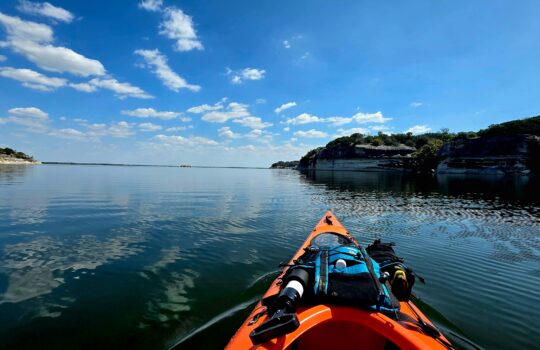
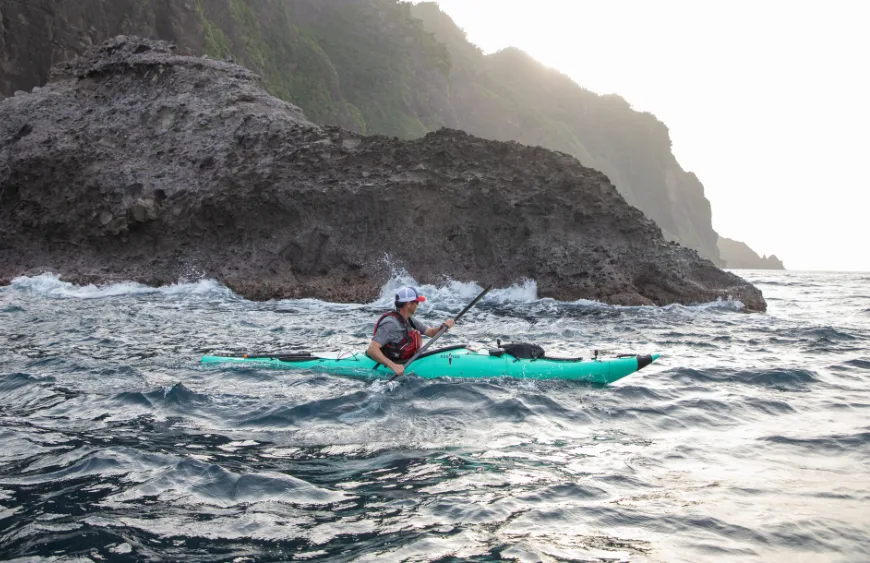
Standing at the water’s edge, the ocean presents an entirely different set of demands than a tranquil inland lake or a lazy meandering river. Coastal environments are dynamic and ever-shifting. Within a single outing, a coastal paddler may contend with shifting coastal winds, tidal currents, ocean swell, chop, surf zones, and rapidly changing weather systems.
Because marine environments are so active, choosing the best kayak for ocean use requires a different evaluation mindset than picking a standard recreational boat. A kayak that glides effortlessly across a glassy pond can behave very differently when wind picks up across an exposed bay, or waves begin moving across the water.
Ultimately, there is no single, one-size-fits-all “best” ocean kayak. The ideal craft depends fundamentally on where you launch, how you plan to paddle, and the specific conditions you are prepared to encounter.
To help you make an informed investment, this guide evaluates the core criteria every coastal paddler must consider:
- Stability: How initial and secondary stability behave in coastal waters.
- Tracking: Maintaining a straight line against crosswinds and tidal draw.
- Maneuverability: Navigating rock gardens, surf zones, and coastal inlets.
- Cockpit Design & Fit: Maintaining body control, bracing, and safe wet exits.
- Storage & Deck Outfitting: Sealed bulkheads, gear capacity, and deck line security.
- Durability & Saltwater Maintenance: Protecting hardware and components from marine wear.
- Transportation & Storage: Hauling and storing a rigid boat without logistical headaches.
- Intended Water Conditions: Aligning boat capabilities with sheltered harbors, tidal estuaries, or open ocean expanses.
If you are exploring boat styles more broadly across freshwater and touring categories, you can also consult our comprehensive kayak buying guide for an end-to-end breakdown of kayak construction and hull dynamics.
What Makes a Kayak Good for Ocean and Coastal Paddling?
Navigating coastal waters requires features that manage wind, waves, and distance efficiently. When evaluating a potential coastal kayak, pay close attention to how these five core design elements work together.
Hull Design and Tracking
A kayak’s hull shape governs how it interacts with wave energy and how well it maintains a forward line.
Tracking: In open coastal waters, tracking, the ability of a kayak to hold a straight course without constantly zig-zagging, is critical. Long paddles against crosswinds or angled chop can be exhausting if your kayak constantly wants to turn into the wind (weathercocking).
Hull Profiles: V-shaped hulls and pronounced keel lines can promote directional stability and efficient tracking, depending on the overall hull design. In contrast, flatter hulls turn quickly but may require more corrective strokes to stay on course.
Skegs and Rudders: Many ocean-capable kayaks incorporate a drop skeg or foot-controlled rudder to help counter wind drift and current without forcing you to waste energy on continuous corrective paddling.
Balancing Maneuverability: While tracking preserves your stamina over distance, you still need an appropriate amount of hull rocker to balance tracking with maneuverability and wave handling, enough curvature from bow to stern to turn confidently near shorelines and around obstacles.
Stability: Primary vs. Secondary
One of the most misunderstood aspects of ocean paddling is stability. Kayaks feature two distinct types:
Primary (Initial) Stability: How stable the kayak feels when resting flat on calm, flat water. Wide, flatter recreational kayaks typically have high primary stability, making them feel reassuring at the dock.
Secondary Stability: How stable the boat feels when leaned on its edge or when rolling across wave faces. Kayaks with rounded or multi-chined hulls often feel slightly looser initially, but their secondary stability allows them to lean into waves without tipping unpredictably.
A kayak’s stability characteristics interact with wave shape, wind, paddler technique, and hull design. High initial stability can feel reassuring in calm water, while secondary stability becomes increasingly relevant when a kayak is leaned or affected by waves. Avoid assuming that high initial stability alone makes a kayak suitable for rough or open water.
Length and Maneuverability
Length dictates how a kayak glides and how easily it maneuvers:
Longer Kayaks: Longer waterlines generally provide higher hull efficiency, superior glide per stroke, and consistent straight-line tracking. These qualities can make longer touring kayaks well suited to longer coastal trips and open-water crossings when conditions and paddler experience are appropriate.
Shorter Kayaks: Shorter boats turn more readily and can be easier to maneuver through narrow tidal creeks, mangrove channels, or tight coves. They are also typically easier to transport and store, though they generally require more effort to paddle over extended coastal distances.
Cockpit and Seating
Control in coastal waters comes from the paddler’s connection to the kayak:
Paddling Posture: A supportive, adjustable backrest or backband promotes an upright, athletic paddling posture, helping reduce fatigue over multi-hour tours.
Lower Body Contact Points: Touring and sea kayaks often incorporate adjustable foot braces and thigh or knee contact points inside the cockpit rim. These contact points allow you to edge the boat, brace against chop, and maintain balance using your hips and core.
Ease of Entry and Wet Exit: The cockpit should accommodate a spray skirt if wave protection is needed, while remaining easy to exit quickly if a capsize occurs.
Storage and Deck Space
Coastal paddling demands self-reliance and thoughtful organization:
Sealed Bulkheads: Many coastal and touring kayaks feature sealed internal bulkheads at the bow, stern, or both. These compartments provide dry gear storage and can provide reserve flotation to help keep a swamped kayak afloat.
Deck Lines and Rigging: Many touring and sea kayaks feature perimeter deck lines running along the gunwales. These give a swimmer something secure to grab during self-rescue or assisted re-entry. Deck bungees keep essentials, such as a bilge pump, paddle float, chart, and water bottle, accessible within reach without cluttering the cockpit.
Ocean Touring Kayak vs. Recreational Kayak
Before venturing onto coastal waters, it is helpful to distinguish between an ocean touring kayak and a standard recreational kayak. While recreational kayaks are great for leisurely outings on calm lakes and slow rivers, their design priorities differ from craft intended for coastal paddling.
| Feature | Ocean / Touring Kayak | Recreational Kayak |
| Tracking | Usually prioritized (often aided by a skeg or rudder) | Often looser; favors easy turning |
| Length | Often longer | Often shorter |
| Storage | Sealed bulkheads are common | Open wells, small dry pods, or unsealed compartments |
| Cockpit | Designed around paddling control; spray skirt compatible | Large, wide open cockpit for easy entry and exit |
| Safety Lines | Perimeter deck lines are common | May have simpler deck rigging |
| Typical Use | Coastal cruising, open water, multi-day tours | Calm lakes, quiet rivers, sheltered calm bays |
For an in-depth exploration of how cockpit architecture, flotation features, and hull geometries separate these two classes of watercraft, take a look at our complete comparison on sea kayak vs. recreational kayak.
What Type of Coastal Kayak Do You Need?
Rather than searching for an elusive “universal” boat, break your choice down by the coastal environment you plan to explore:
1. Sheltered Bays and Calm Coastal Water
If your excursions consist of exploring protected harbors, calm lagoons, or sheltered coastal estuaries on fair-weather days, your requirements are straightforward.
Key Priorities: Stability, maneuverability, comfortable seating, and easy transport.
Appropriate Boat Styles: Well-designed recreational kayaks or crossover sit-on-tops can be appropriate here when water conditions are calm and winds remain light.
2. Longer Coastal Trips
Covering significant distance along an open shoreline or traveling between island waypoints demands paddling efficiency.
Key Priorities: Tracking, efficient paddling and glide, comfortable cockpit ergonomics, and adequate storage capacity for safety gear and supplies.
Appropriate Boat Styles: Touring-oriented kayaks designed to hold momentum and track consistently through coastal chop.
3. Tidal and Moving Water
Coastal estuaries, narrows, river mouths, and tidal cuts experience swift currents, standing waves, and eddies as tides rise and fall.
Key Priorities: Tracking and directional control, responsive maneuverability, appropriate safety equipment, and awareness of local water conditions.
Paddler Requirements: Moving water requires paddling experience, knowledge of local tide tables, and mastery of bracing and rescue techniques.
4. More Exposed Open Water
Venturing into open sounds, outer coastlines, or exposed ocean waters demands careful preparation.
Crucial Considerations: Kayak design, paddler experience, marine weather forecasts, wind shifts, swell intervals, and cold-water protection.
Safety Consideration: Anyone venturing into exposed coastal water should have appropriate self-rescue and assisted-rescue skills, along with the equipment and experience appropriate for the conditions.
Caution: Don’t assume a kayak is automatically appropriate for offshore or rough conditions simply because it is marketed as an ocean or sea kayak. Your safety depends on the boat’s actual structural design and outfitting, your experience, and the real-world conditions on the water.
Do You Need a Sea Kayak for Ocean Paddling?
The direct answer: No, not every ocean or coastal trip requires a traditional sea kayak.
Sheltered coastal water can have very different requirements from exposed open water:
When a Sea Kayak Is NOT Required: If you plan to paddle around a sheltered cove, launch inside a protected harbor, or tour calm saltwater canals on warm, low-wind days, recreational kayaks can be appropriate for some protected environments.
When a Touring or Sea Kayak Is Recommended: Longer or more demanding coastal trips may favor touring-oriented designs. In exposed water where you face stronger winds, rolling swells, or distances far from shore, a touring-oriented kayak or sea kayak designed for those conditions may be more appropriate. Its sealed bulkheads provide reserve flotation and can help keep a swamped kayak afloat, while its deck outfitting supports self-rescue.
Always follow the manufacturer’s intended-use guidance before choosing a kayak for any coastal outing.
Saltwater Kayaking: What Should You Consider?
Paddling in coastal environments means dealing with saltwater. When choosing and maintaining a saltwater kayak, keep these practical considerations in mind:
Corrosion and Hardware Protection
Salt accelerates corrosion and wear on metal components and moving parts.
- Rinse metal hardware, rudder and skeg components, and other exposed parts with fresh water after saltwater use.
- Inspect hardware, tracks, and fasteners periodically for corrosion, looseness, or wear.
- Follow the kayak and accessory manufacturer’s maintenance instructions to protect moving mechanisms.
Electronics and Accessories
If you bring marine electronics, navigation devices, or radios:
- Follow the manufacturer’s water-resistance ratings and maintenance guidance for electronics.
- Keep electrical connections and battery terminals protected from saltwater exposure.
- Secure electronics and accessories so they do not interfere with paddling, bracing, or self-rescue procedures.
Cleaning, Maintenance, and Storage
Freshwater Rinse: Rinse the kayak’s hull, cockpit, hatches, and outfitting with clean fresh water after every saltwater trip to remove salt crystals.
Thorough Drying: Allow compartments, hatch rims, and soft goods to dry completely before long-term storage to prevent mildew and hardware degradation.
Storage Location: Store your kayak and gear out of prolonged direct sunlight in a dry, ventilated space.
Hard-Shell vs. Inflatable vs. Nesting Kayaks for Coastal Paddling
Coastal paddlers commonly evaluate three primary construction formats. Each offers distinct advantages and practical trade-offs:
| Format | Main Advantage | Main Consideration |
| Hard-Shell | Rigid hull and established performance characteristics | Transport and home storage logistics |
| Inflatable | Compact storage and easy transportation | Setup, drying, and different handling characteristics depending on design |
| Nesting / Modular | Rigid construction with reduced storage footprint | Assembly routine and connection system |
1. Traditional Hard-Shell Kayaks
Design: Single-piece rotomolded plastic, thermoformed ABS, or composite construction.
Performance: Rigid hull dynamics that offer predictable tracking, efficient glide, and established handling characteristics in coastal water.
Logistics: Requires adequate storage space (such as a garage or outdoor rack) and a vehicle equipped with roof racks or a trailer for transport.
2. Inflatable Kayaks
Design: High-pressure drop-stitch or multi-chamber PVC construction.
Performance: Lightweight and functional for sheltered water. Some inflatable designs can be more affected by wind because of their shape and position on the water.
Logistics: Highly compact for transport and storage, but requires time to inflate, deflate, and thoroughly dry before storing.
3. Nesting / Modular Kayaks
Design: Rigid hard-shell hull sections that connect securely for paddling and nest inside one another for storage.
Performance: Breaks down into smaller sections that can be easier to transport and store than a full-length rigid kayak, while retaining a rigid-hull format on the water.
Logistics: Especially useful for paddlers dealing with vehicle, apartment, or storage limitations who still want a rigid-hull kayak.
To explore how segmented hulls achieve watertight structural integrity, see our guide on how nesting kayaks work.
What Is the Best Kayak for Ocean Paddling?
The best kayak for ocean paddling is the one whose design, stability, tracking, storage, and intended use match the specific coastal environment and trip you have planned.
Use this decision framework to align your priorities with the right boat characteristics:
| Your Priority | Look For | Recommended Style |
| Calm coastal paddling | Stability + maneuverability | Recreational or crossover kayak |
| Longer coastal trips | Tracking + comfort + storage | Ocean touring kayak |
| Easy transportation | Lower weight + compact storage | Day-touring or modular craft |
| Limited home storage | Nesting / modular design | Modular hard-shell kayak |
| Frequent saltwater use | Durable components + easy maintenance | Saltwater-ready craft with simple upkeep |
| Open / exposed water | Appropriate design + experience + safety skills | Dedicated sea kayak |
Is a Nesting Kayak a Good Option for Coastal Paddling?
Portability is often one of the biggest considerations for coastal paddlers. Hauling a long, rigid kayak to coastal launch sites, carrying it across sandy beaches, or finding space for a 14-foot boat in an apartment or condo can be a major challenge.
A nesting kayak addresses these transportation and storage challenges by dividing a rigid kayak into interlocking sections that pack down into a compact footprint. Depending on the design and packed dimensions, a nesting kayak can make it possible to transport a rigid boat in a smaller vehicle or store it in a more compact space without a roof rack.
However, portability should still be evaluated alongside stability, tracking, capacity, and intended use. When evaluating a nesting kayak for coastal use, pay attention to the connection system, hull rigidity, flotation, outfitting, intended use, and manufacturer’s specifications.
Is the Pakayak Bluefin a Good Option for Coastal Paddling?
Pakayak Bluefin is a modular hard-shell kayak designed to address one of the biggest challenges of owning a full-length kayak: transportation and storage. Its nesting design allows the kayak to break down into a more compact footprint while retaining a rigid-hull format.
Why Consider Bluefin?
Modular Nesting Design: Breaks down into nested sections for significantly easier transportation and storage compared with a traditional full-length rigid kayak.
Rigid-Hull Construction: Its rigid-hull construction is intended to provide the handling characteristics associated with a hard-shell kayak.
Storage & Flotation: Check current Pakayak specifications for bulkhead configuration and flotation details for the Bluefin model.
Practical Logistics: Well suited for paddlers whose primary hurdle is storing a kayak at home or transporting it without specialized roof racks.
Who Might Consider It?
- Paddlers with limited home storage, such as apartment or condo dwellers.
- People transporting kayaks in smaller vehicles or without vehicle roof racks.
- Paddlers who want a portable rigid kayak and whose intended coastal conditions fall within the manufacturer’s stated use.
- Paddlers who value portability without moving to an inflatable kayak.
What to Consider Before Choosing It
Before using Bluefin in coastal water, check the current manufacturer’s specifications and intended-use guidance for the conditions you plan to encounter. Consider your specific water conditions, paddling experience, trip length, required gear storage, and handling needs. If you’re considering Bluefin for your paddling needs, review the current specifications, features, and intended use on the Pakayak Bluefin modular kayak page.
How to Choose the Best Kayak for Your Ocean Trip
Follow this four-step buying framework to choose the right kayak for your needs:
1. Define Your Water
Protected Bay or Harbor: Calm water with minimal waves, protected from strong winds. High initial stability and ease of handling are key.
Calm Coastline: Minor swell and light sea breezes. Look for a balance of tracking and maneuverability.
Tidal Water: Moving currents, tidal rips, and changing water levels. Requires solid directional control and local tidal awareness.
Open / Exposed Water: Significant swell, open wind exposure, and potential chop. Demands touring-capable designs, rescue outfitting, and experienced paddling.
2. Define Your Trip
Short Recreational Paddle (1–2 Hours): Focus on comfort, easy entry and exit, and simple transport.
Several-Hour Trip: Prioritize paddling efficiency, comfortable seating and foot support, and sufficient dry storage for safety essentials.
Longer Coastal Excursion: Demands superior tracking, glide efficiency, ample gear capacity, and reliable reserve flotation.
3. Evaluate the Kayak
Stability: Matches your intended water conditions (primary stability for calm water; secondary stability for moving swells).
Tracking & Maneuverability: Holds a straight line without excessive fatigue, aided by a skeg or rudder if needed.
Length and Beam: Does the kayak’s dimensions provide the balance of efficiency, stability, and maneuverability you need for your intended water?
Cockpit & Ergonomics: Offers proper contact points (footpegs and thigh support) and allows for a safe, unimpeded exit.
Storage & Flotation: Includes sealed bulkheads or dedicated flotation to help keep a swamped boat afloat.
Weight & Transport: Fits comfortably into your lifestyle, vehicle, and home storage space.
Manufacturer’s Intended Use: Matches the manufacturer’s stated intended use for your planned environment.
4. Consider Your Experience
A kayak that looks appropriate on paper may not be appropriate for a paddler who lacks the skills needed for the intended environment. Match your boat choice to your current abilities, and follow established safety practices, such as wearing an approved life jacket (PFD), dressing for water temperature, practicing wet exits and re-entries, and understanding your limits before heading onto coastal waters.
Ocean Kayak Buying Checklist
Use this concise checklist when evaluating your options:
- [ ] Intended water conditions: Matches where you actually plan to paddle (bays, tidal inlets, or open water).
- [ ] Manufacturer’s intended use: Verified for coastal and saltwater suitability.
- [ ] Stability balance: Appropriate primary and secondary stability for the conditions.
- [ ] Tracking: Capable of maintaining a straight line in wind and current.
- [ ] Maneuverability: Turns effectively when navigating obstacles or shorelines.
- [ ] Comfortable cockpit: Supportive seating, footpegs, and safe exit clearance.
- [ ] Storage capacity: Sufficient dry hatch space for your planned trip length.
- [ ] Weight and transport: Manageable to carry, load, and transport.
- [ ] Overall load capacity: Appropriately accommodates your body weight plus gear.
- [ ] Saltwater maintenance requirements: Straightforward to rinse, inspect, and maintain.
- [ ] Safety and rescue considerations: Flotation bulkheads and rescue deck lines where appropriate.
- [ ] Home storage plan: Suitable space in a garage, closet, or storage area.
Frequently Asked Questions
What is the best kayak for ocean paddling?
The best kayak for ocean paddling is the one whose design, stability, tracking, storage, and intended use match the specific coastal environment and trip you have planned. There is no single universal winner for every paddler and condition.
What type of kayak is best for coastal waters?
The best type depends on where you paddle. For sheltered coastal bays, stable recreational or day-touring kayaks may be appropriate when conditions are calm. For longer or more exposed coastal journeys, touring and sea kayaks with sealed bulkheads and strong tracking capabilities are preferred.
Can you use a recreational kayak in the ocean?
Many recreational kayaks are designed primarily for protected water and may lack the combination of flotation, deck outfitting, cockpit fit, and handling characteristics preferred for exposed coastal conditions. However, they can be appropriate for calm, sheltered coastal bays and harbors in mild weather.
What is an ocean touring kayak?
An ocean touring kayak generally refers to a touring-oriented kayak designed for coastal and open-water paddling. It typically features a longer waterline for efficient tracking and glide, sealed bulkheads for reserve flotation and dry storage, deck lines for rescue safety, and a cockpit configured for spray skirt use.
What length kayak is best for ocean paddling?
Longer kayaks are often favored for longer coastal trips because they can provide efficient tracking and glide, but the ideal length depends on the kayak’s design, the paddler, and the intended conditions. Shorter kayaks can be appropriate for calm, sheltered bays and tighter coastal waterways.
Are sit-on-top kayaks good for ocean use?
Because sit-on-top kayaks are self-bailing, water that enters the cockpit area can drain through the scupper holes. However, their suitability for ocean conditions still depends on the kayak’s design, the conditions, and the paddler’s experience. They are commonly used for warm-weather coastal recreation and fishing, but offer less protection from wind and cold water compared to sit-inside touring boats.
Can you use a kayak in saltwater?
Many kayaks can be used in saltwater, but suitability depends on the kayak’s construction, intended use, and the conditions. After any saltwater trip, thoroughly rinse the kayak, hardware, and moving components with fresh water to prevent corrosion and salt buildup.
Is a sea kayak necessary for coastal paddling?
A sea kayak is not strictly necessary for every coastal trip. Sheltered bays and protected harbors often require only a stable, comfortable recreational or day-touring kayak. However, as conditions become more exposed or trips become longer, a sea kayak’s reserve flotation and tracking efficiency become increasingly valuable.
Are nesting kayaks good for coastal trips?
Yes, nesting kayaks that feature rigid construction and reliable connection systems can be a great option for coastal trips. They combine rigid-hull characteristics with significantly reduced transportation and storage challenges.
Conclusion: Choose for the Water, Not Just the Kayak
There isn’t one universally best ocean kayak. The right choice depends on matching the kayak to your specific water conditions, planned trips, paddling experience, and transportation requirements.
Stability, tracking, maneuverability, storage, cockpit design, and manufacturer-intended use all matter when evaluating a coastal boat. For many paddlers, portability is also a decisive factor, making modular designs an appealing solution for enjoying rigid-hull performance without vehicle or storage headaches.